
Introduction
In the bustling world of health and wellness, few concoctions rival the simplicity and profound benefits of ginger water. Often hailed as a natural elixir, this refreshing beverage is more than just infused water; it’s a centuries-old remedy revered across cultures for its potent properties and invigorating flavor. Our homemade ginger infusion offers a delightful escape from sugary drinks, providing a crisp, subtly spicy, and incredibly satisfying alternative that nourishes your body from within. Imagine a drink that not only quenches your thirst but also aids digestion, soothes discomfort, and provides a gentle, natural boost to your well-being – that’s the magic of ginger water.
The beauty of crafting your own ginger water lies in its effortless preparation and customizable nature. With just a few basic ingredients and minimal effort, you can transform humble ginger root into a powerhouse beverage that fits perfectly into any lifestyle. Whether you’re seeking a digestive aid after a hearty meal, a comforting warm drink on a chilly evening, or a revitalizing cold brew to kickstart your day, this recipe provides the foundation for endless possibilities. Forget artificial ingredients and complicated processes; our guide ensures you can effortlessly create a pure, potent, and utterly delicious ginger infusion right in your own kitchen.
This recipe article is your definitive guide to unlocking the full potential of ginger water. We’ll walk you through each step, from selecting the freshest ginger to infusing it perfectly, and finally, bottling your homemade elixir for convenient enjoyment. Beyond the basic preparation, we’ll delve into creative variations, essential storage tips, and even a deeper look into the health benefits that make ginger water a truly exceptional addition to your daily routine. Get ready to embark on a flavorful journey that promises refreshment, revitalization, and a newfound appreciation for this incredible root.
Nutritional Information
Per serving (approximate values):
Calories: 10-25
Protein: 0.2g
Carbohydrates: 2-5g
Fat: 0.1g
Fiber: 0.5g
Sodium: 5mg
Ingredients
4-6 inches fresh ginger root (about 150-200g)
8 cups (2 liters) filtered water
Optional: 2-4 tablespoons honey, maple syrup, or other preferred sweetener
Optional: 1 large lemon, sliced or juiced
Optional: A few sprigs of fresh mint
Instructions
Prepare the Ginger: Begin by thoroughly washing the ginger root. Using a vegetable peeler or the edge of a spoon, carefully peel the skin off the ginger. While some prefer to leave the skin on for a stronger, earthier flavor (especially if organic), peeling generally results in a smoother, less pungent infusion. Once peeled, thinly slice the ginger into rounds or julienne it into small strips. The thinner the slices, the more surface area is exposed, allowing for a more efficient flavor extraction. Aim for slices about 1/8 inch thick.
Infuse the Ginger (Hot Method): In a large saucepan or pot, bring the 8 cups of filtered water to a rolling boil. Once boiling, add the prepared ginger slices to the hot water. Reduce the heat to low, cover the pot, and let the ginger gently simmer for 15-20 minutes. Simmering helps to extract the maximum flavor and beneficial compounds from the ginger. For an even stronger infusion, you can let it simmer for up to 30 minutes. After simmering, remove the pot from the heat and let it cool completely to room temperature with the ginger still in the water. This allows for further infusion as the liquid cools.
Infuse the Ginger (Cold Brew Method – Alternative): If you prefer a smoother, less pungent flavor, you can try a cold brew infusion. Place the prepared ginger slices into a large pitcher or jar. Add the 8 cups of filtered water. Cover the container and refrigerate for at least 8 hours, or preferably overnight (12-24 hours). The longer it infuses, the stronger the flavor will be. While this method takes more time, it often yields a less spicy and more mellow ginger water.
Strain the Infusion: Once the ginger water has cooled (for the hot method) or infused sufficiently (for the cold brew method), it’s time to separate the liquid from the solids. Place a fine-mesh strainer over a large bowl or directly over your bottling containers. Carefully pour the ginger water through the strainer, ensuring all the ginger pieces are caught. You may need to gently press the ginger slices in the strainer with the back of a spoon to extract any remaining liquid. Discard the strained ginger solids.
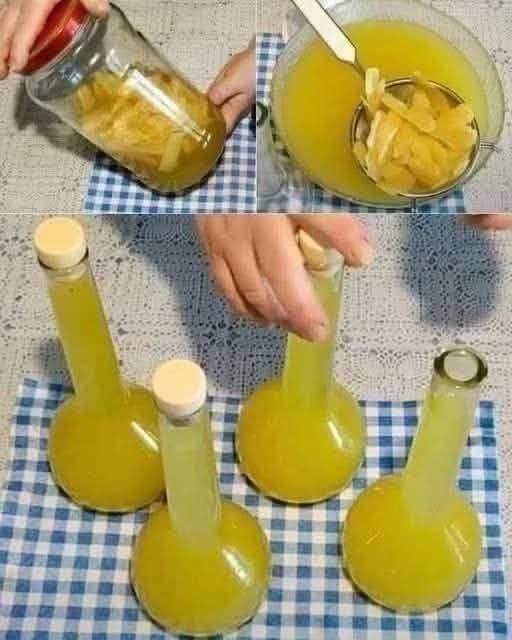
Sweeten (Optional) & Bottle: At this stage, your ginger infusion is ready. If you prefer a sweetened beverage, add your preferred sweetener (honey, maple syrup, etc.) to the strained ginger water. Start with 2 tablespoons and stir well, tasting as you go until you reach your desired level of sweetness. Remember that the sweetness will be more pronounced when the drink is chilled. Once sweetened (or left unsweetened), carefully pour the ginger water into clean, airtight bottles or jars. Glass bottles are ideal as they don’t absorb odors or flavors.
Chill and Serve: Seal your bottles and refrigerate the homemade ginger water for at least 2-3 hours before serving. Chilling not only enhances the refreshing quality but also allows the flavors to meld beautifully. Serve your ginger water cold over ice, perhaps with a slice of fresh lemon or a sprig of mint for an extra touch of freshness and visual appeal. You can also enjoy it warm as a comforting tea.
Cooking Tips and Variations
For the freshest and most potent ginger water, always opt for firm, smooth ginger roots with taut skin. Avoid ginger that appears shriveled, moldy, or has soft spots. Organic ginger is always a good choice, especially if you plan to leave the skin on. When peeling, a spoon can be surprisingly effective for scraping off the skin without wasting much of the precious ginger flesh. For a more intense flavor, you can lightly bruise the ginger slices with the back of a knife before infusing; this helps to release more of the essential oils and compounds. If using the hot infusion method, avoid over-boiling, as prolonged high heat can sometimes dull the nuanced flavors of ginger. A gentle simmer is key to a perfectly balanced infusion.
To truly elevate your ginger water, consider these delightful variations. For a citrusy zing, add a few slices of lemon or lime to the water during the last few minutes of simmering (for hot infusion) or during the cold brew process. The acidity complements the ginger beautifully and adds an extra layer of refreshment. A sprig of fresh mint or a few cucumber slices can introduce a cool, herbaceous note, making it even more invigorating. For a touch of warmth and spice beyond ginger, a small pinch of cayenne pepper or a few black peppercorns can be added during infusion. If you enjoy a floral hint, a teaspoon of dried hibiscus flowers can create a beautiful pink hue and a tart, cranberry-like flavor. For an immune-boosting blend, consider adding a turmeric slice or two along with the ginger; just be mindful that turmeric can stain. Experiment with natural sweeteners like agave nectar or a date paste for different flavor profiles. You can also turn this into a sparkling beverage by mixing chilled ginger water with seltzer or club soda right before serving.
Storage and Reheating
Proper storage is crucial for maintaining the freshness and potency of your homemade ginger water. Once bottled, store the ginger infusion in airtight glass bottles or jars in the refrigerator. This minimizes exposure to air and prevents the absorption of other food odors. Stored correctly, your ginger water will remain fresh and delicious for 3-5 days. While it might last a little longer, the flavor and beneficial compounds are best enjoyed within this timeframe. We do not recommend freezing ginger water, as it can alter the texture and diminish the vibrant flavor upon thawing. Always give your bottle a gentle shake before serving, as some natural sediment may settle at the bottom.
Ginger water is most commonly enjoyed chilled, making reheating generally unnecessary. However, if you wish to enjoy it as a warm, comforting beverage, you can gently heat a serving in a small saucepan over low heat until it reaches your desired temperature. Avoid boiling it again, as this can degrade some of the delicate flavors and compounds. Alternatively, you can simply pour a serving into a microwave-safe mug and heat it in the microwave for 30-60 seconds, or until warm. If you added fresh fruit or herbs to your bottled ginger water, remove them before reheating to prevent them from becoming mushy or altering the flavor negatively. For a consistent warm drink experience, it’s best to prepare a fresh hot infusion if you primarily want to drink it warm, rather than reheating a cold batch repeatedly.
Frequently Asked Questions
What are the main health benefits of drinking ginger water?
Ginger water is renowned for its numerous potential health benefits. It is a powerful digestive aid, helping to alleviate nausea, indigestion, and bloating. Its anti-inflammatory properties can help reduce muscle pain and soreness, and it may also offer relief for conditions like osteoarthritis. Ginger is also known to boost immunity, thanks to its rich antioxidant content, and some studies suggest it can help regulate blood sugar levels and even contribute to weight management by promoting satiety and boosting metabolism. It’s a natural, hydrating way to incorporate these benefits into your daily routine.
Can I use dried ginger instead of fresh ginger?
While you can technically use dried ginger powder, it is highly recommended to use fresh ginger root for this recipe. Fresh ginger provides a much more vibrant, complex, and potent flavor profile, as well as a higher concentration of beneficial compounds. Dried ginger powder tends to have a more concentrated, spicier, and sometimes slightly bitter taste, and it won’t yield the same clear, refreshing infusion. If fresh ginger is absolutely unavailable, you can substitute about 1 teaspoon of dried ginger powder for every 1 inch of fresh ginger, but be prepared for a different flavor experience and ensure thorough straining to remove any sediment.
How long does homemade ginger water last in the refrigerator?
When stored in clean, airtight glass bottles or jars in the refrigerator, homemade ginger water will typically last for 3 to 5 days. After this period, while it might still be safe to consume, its flavor will begin to diminish, and its potency may decrease. It’s always best to consume it within this recommended timeframe to enjoy its optimal taste and benefits. If you notice any unusual smells, cloudiness, or mold, it’s best to discard the batch.
Can I drink ginger water every day?
Yes, drinking ginger water daily is generally considered safe and can be a beneficial part of a healthy diet for most people. However, moderation is key. While ginger is natural, consuming excessive amounts can sometimes lead to mild side effects like heartburn, stomach upset, or diarrhea in sensitive individuals. It’s always a good idea to start with a smaller amount and see how your body reacts. If you have any underlying health conditions, are pregnant, or are taking medications, it’s advisable to consult with your doctor before incorporating ginger water into your daily routine.