
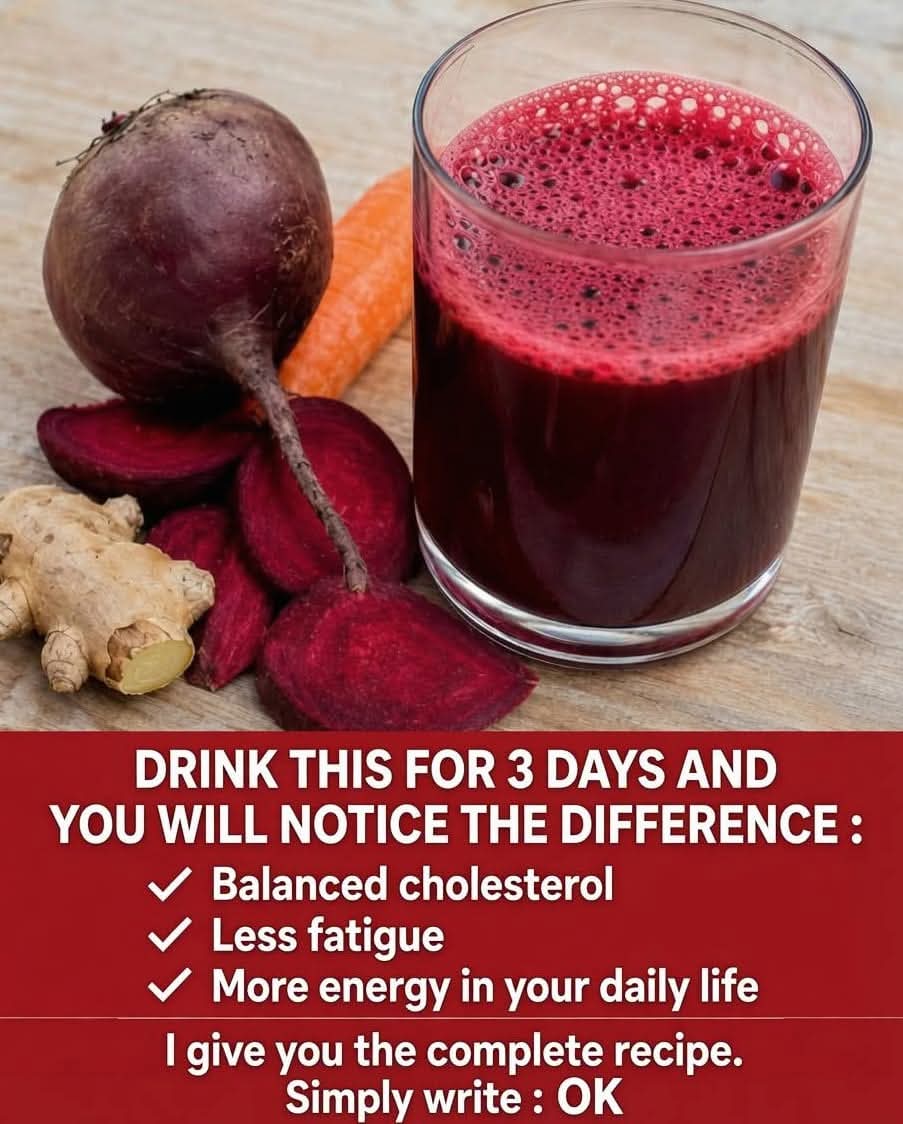
Some online recipes promise dramatic results after only a few days, including lower cholesterol, no arthritis pain, or no fatigue. Those claims need careful checking because cholesterol, arthritis, and fatigue are medical topics with many possible causes. This guide shows how to evaluate a health recipe claim safely and choose evidence-based next steps.
Person spotting red flags in a dramatic health recipe claim.
1
Treat miracle wording as a red flag
Pause when a post promises results like zero cholesterol, zero arthritis, or zero fatigue in three days. The FDA explains that products marketed to treat, prevent, or cure disease are regulated differently from ordinary supplements, and disease-cure promises should be checked carefully before you act on them.
Healthy food kept separate from medical treatment decisions.
2
Separate food from medical treatment
A nutritious recipe can fit into a healthy eating pattern, but it should not be framed as a treatment for cholesterol, arthritis, or fatigue. The National Center for Complementary and Integrative Health notes that supplement marketing standards differ from drug standards, so do not assume a natural product has been proven to work.
Person choosing fiber-rich foods for a heart-healthy eating pattern.
3
Check cholesterol claims against proven habits
Do not aim for zero cholesterol, because your body needs cholesterol and makes what it needs. For cholesterol management, the CDC recommends limiting saturated and trans fats, choosing fiber-rich foods such as oatmeal and beans, being active, and avoiding smoking.
Person discussing arthritis care goals with a health professional.
4
Compare arthritis promises with real care goals
Arthritis has different causes, so one recipe cannot safely promise to remove it. Mayo Clinic describes arthritis care as a plan to reduce pain, improve function, and prevent further joint damage, which may include medicines, therapy, movement, or other clinician-guided options.
Tired person considering several possible causes of fatigue.
5
Look for common causes of fatigue
Fatigue is a symptom, not a diagnosis, and it can come from sleep, stress, lifestyle habits, medicines, or medical conditions. MedlinePlus advises that fatigue that does not improve after several weeks should be discussed with a health care provider.
Person asking a pharmacist about a supplement before taking it.
6
Ask about supplements before taking them
If the recipe uses concentrated powders, extracts, or capsules, treat it like a supplement question rather than ordinary food. The FDA advises people to talk with a doctor, pharmacist, or other health professional before using dietary supplements, especially because interactions can happen.
Person pairing a healthy meal with regular physical activity.
7
Use evidence-based habits alongside meals
Build meals around vegetables, fruits, whole grains, beans, nuts, and unsaturated fats, and pair them with regular movement you can keep doing. The CDC says adults can start with practical goals like working toward 150 minutes of moderate activity per week, while people with chronic conditions should ask what type and amount of activity is safe for them.
Person seeking medical help for persistent health symptoms.
8
Seek medical help for persistent or severe symptoms
Make an appointment if fatigue lasts for weeks, joint pain limits daily life, or you have questions about cholesterol numbers or medications. Seek urgent help for severe symptoms such as chest pain, confusion, fainting, sudden weakness, or thoughts of self-harm.
Important:
This article is for general information only and is not medical advice. Talk to a doctor or qualified health professional about your own situation, especially before making changes to medication, treatment, or care.
Key Takeaways
The bottom line: a healthy meal can support your overall routine, but it cannot promise zero cholesterol, zero arthritis, or zero fatigue in three days. Check claims against trusted sources, keep taking prescribed treatment, and ask a health professional about symptoms or supplements that could affect you.
Frequently Asked Questions
Can one recipe make cholesterol disappear in three days?
No. Cholesterol is measured with blood tests, and lifestyle changes usually work over time rather than overnight. The CDC recommends healthy eating, activity, weight management, and not smoking as long-term ways to support cholesterol levels.
Can a drink or home remedy cure arthritis?
No home remedy should be treated as a cure for arthritis. Mayo Clinic notes that arthritis treatment focuses on reducing pain, improving function, and preventing joint damage, often with a care plan matched to the type of arthritis.
Why do I feel tired even when I eat well?
Fatigue can come from sleep problems, stress, medications, anemia, thyroid disease, infection, depression, chronic pain, and many other causes. If it lasts for weeks or is unexplained, MedlinePlus recommends contacting a health care provider.
Are natural ingredients always safe?
No. NCCIH warns that natural does not always mean safe, and supplements or herbs can have side effects or interact with medicines.
Should I stop my cholesterol or arthritis medicine if I try a healthy recipe?
No. Do not stop or change prescribed medicine unless your doctor tells you to. A healthy recipe can be part of your diet, but it is not a replacement for medical treatment.
What is the safest way to try a wellness recipe?
Use it as food, not as treatment. Check the ingredients for allergies, sugar, salt, and medication interactions, and talk with a pharmacist or clinician before using concentrated supplements or herbs.