
Introduction
Step into a world where ancient wisdom meets modern comfort with a simple, yet profound brew: Bay Leaf and Clove Herbal Tea. For centuries, across diverse cultures, herbal teas have been cherished not just for their warmth and delightful aromas, but also for their traditional roles in promoting well-being. From soothing digestive woes to calming the spirit, these natural infusions offer a gentle embrace, connecting us to a heritage of natural remedies.
Among the vast tapestry of herbal blends, Bay Leaf and Clove Herbal Tea stands out with its uniquely aromatic and subtly spiced profile. This isn’t just any tea; it’s an elixir steeped in history, celebrated for its distinct flavor and the comforting properties attributed to its two star ingredients. Imagine the earthy, slightly peppery notes of bay leaf intertwining with the warm, pungent, and subtly sweet embrace of clove – a symphony of flavors that invigorates the senses and soothes the soul. Traditionally, this combination has been revered for its potential digestive benefits and its comforting, anti-inflammatory qualities, making it a go-to for those seeking a moment of peace and a touch of natural wellness.
In this article, we invite you to discover the magic of this ancient elixir. We’ll delve into the fascinating stories behind bay leaf and clove, explore their individual contributions to this remarkable brew, and guide you through a simple, step-by-step recipe to create your own cup of serenity. Beyond the basic preparation, we’ll share expert tips for enhancing your tea experience, discuss creative variations, and answer common questions to ensure you master this delightful herbal infusion. Prepare to unlock a world of flavor and potential well-being, one soothing sip at a time.
Nutritional Information
Per serving (approximate values):
Calories: 5
Protein: 0.1g
Carbohydrates: 1.2g
Fat: 0.1g
Fiber: 0.5g
Sodium: 1mg
Ingredients
2-3 dried whole bay leaves (Laurus nobilis)
4-6 whole cloves
2 cups fresh filtered water
Optional: 1-2 teaspoons honey, maple syrup, or stevia to taste
Optional: 1 thin slice of lemon or orange
Optional: A tiny pinch of ground cinnamon or a small piece of fresh ginger
Instructions
Begin by gathering your ingredients. Ensure your bay leaves are dried and whole, and your cloves are fresh and aromatic for the best flavor extraction.
Measure out 2 cups of fresh, filtered water. Pour the water into a small saucepan or a kettle.
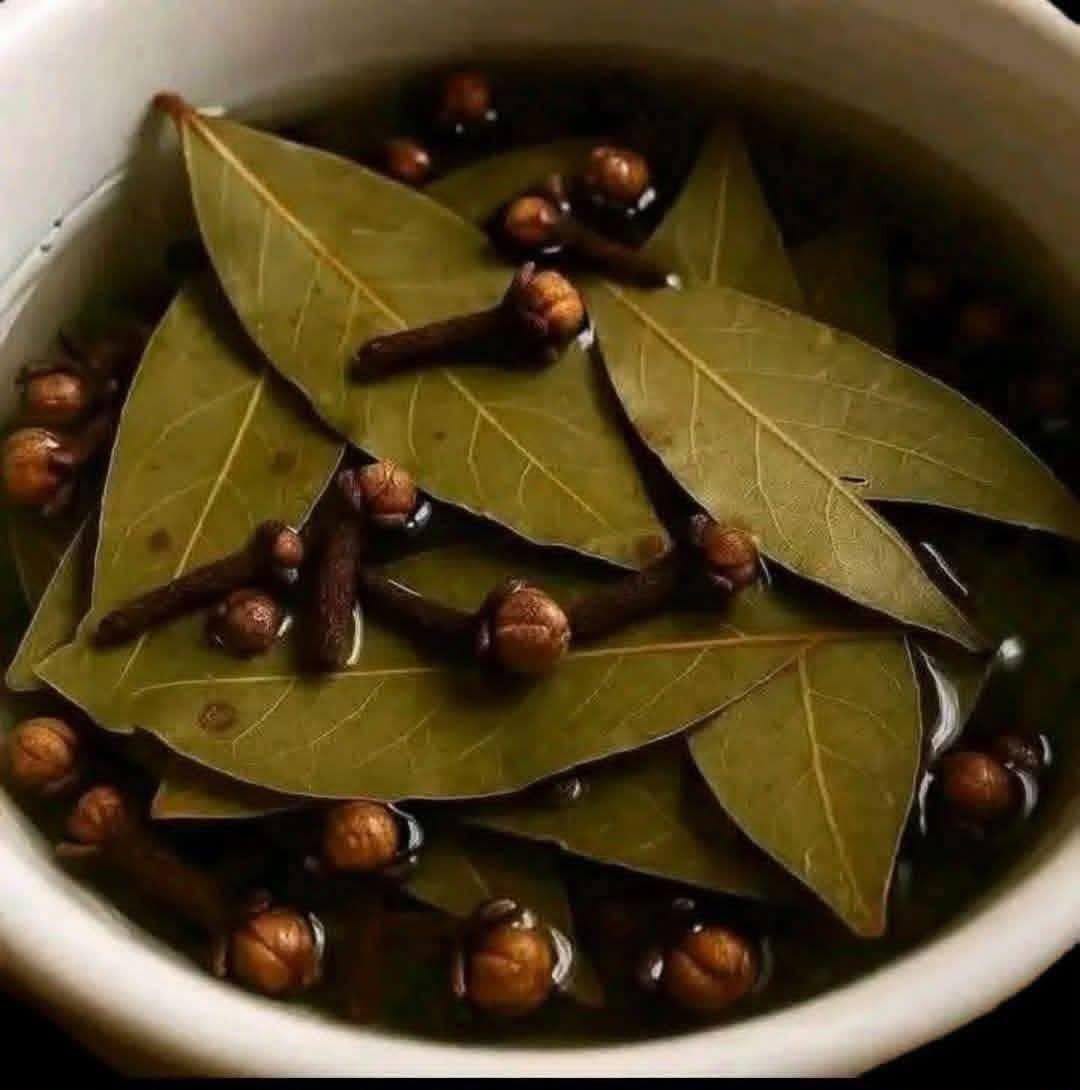
Add the 2-3 dried whole bay leaves and the 4-6 whole cloves directly into the water in the saucepan. The exact number can be adjusted later to suit your personal taste preference.
Place the saucepan on a stovetop over medium-high heat. Bring the water to a rolling boil.
Once the water has reached a boil, immediately reduce the heat to low. Cover the saucepan with a lid. Covering is crucial as it helps trap the volatile aromatic compounds, preventing them from escaping with the steam and ensuring a more potent and flavorful tea.
Allow the bay leaves and cloves to simmer gently in the covered water for 5 to 10 minutes. The steeping time can be adjusted based on how strong you prefer your tea. A longer steep will result in a more intense flavor.
After the desired steeping time, carefully remove the saucepan from the heat.
Using a fine-mesh strainer or a tea infuser, strain the tea directly into your serving cup or mug. This will separate the bay leaves and cloves from the infused liquid, ensuring a smooth drinking experience.
If you prefer a sweeter tea, now is the time to add your chosen sweetener. Stir in 1-2 teaspoons of honey, maple syrup, or stevia until fully dissolved.
For an extra layer of flavor and aroma, you can add a thin slice of lemon or orange, a tiny pinch of ground cinnamon, or a small piece of fresh ginger to your cup. These additions complement the existing flavors beautifully.
Serve immediately and enjoy your soothing Bay Leaf and Clove Herbal Tea while it’s warm.
Cooking Tips and Variations
To truly master the art of brewing Bay Leaf and Clove Herbal Tea, consider these expert tips and delightful variations. The quality of your ingredients is paramount; always opt for fresh, aromatic bay leaves and whole cloves. Stale spices will yield a weak, lackluster tea, so ensure your spices are vibrant and fragrant when you purchase them. For the bay leaves, look for those that are intact, green, and still possess their distinct, slightly pungent aroma. For cloves, choose whole, plump buds that haven’t lost their characteristic nail-like shape and strong, warm scent.
Steeping time is another critical factor in achieving the perfect balance of flavor. A general guideline is 5 to 10 minutes. Steeping for too short a time might result in a tea that lacks depth, while steeping for too long can lead to an overly strong, sometimes bitter, or medicinal taste, especially from the bay leaves. Experiment within this range to find your ideal strength. If you’re new to this tea, start with 5 minutes and gradually increase the time in subsequent brews until you find your sweet spot. Remember, bay leaves can impart a strong flavor, so a little goes a long way.
One often-overlooked tip is to cover your tea while it steeps. This simple act is surprisingly effective in enhancing the tea’s potency and aroma. The volatile oils and aromatic compounds responsible for the tea’s unique scent and flavor can easily escape with steam if left uncovered. By placing a lid on your saucepan or cup during the steeping process, you trap these precious compounds, resulting in a more flavorful and aromatic brew.
Before serving, always remember to strain the tea thoroughly. This removes the bay leaves and cloves, preventing any lingering bitterness from over-steeping and ensuring a smooth, enjoyable drink. A fine-mesh strainer works best to catch all the small clove pieces. If you’re using a tea infuser, make sure it’s large enough to allow the spices to expand and release their flavors fully.
Don’t be afraid to adjust the proportions of bay leaves and cloves to suit your personal preference. If you prefer a stronger clove presence, add an extra bud or two. If you find the bay leaf flavor too dominant, reduce the number of leaves next time. This tea is highly customizable, and finding your ideal balance is part of the fun.
Beyond the basic recipe, there are numerous ways to enhance and vary your Bay Leaf and Clove Herbal Tea experience. For a touch of sweetness, natural sweeteners like honey, maple syrup, or stevia are excellent choices. Honey not only adds sweetness but also a comforting, floral note that pairs beautifully with the spices. Maple syrup offers a deeper, more robust sweetness, while stevia provides a calorie-free option. Start with a small amount and add more to taste.
To further boost the flavor and potential benefits, consider adding other complementary ingredients. A thin slice of fresh lemon or orange can brighten the tea with a citrusy tang, adding a refreshing counterpoint to the warm spices. A tiny pinch of ground cinnamon or a small piece of fresh ginger, added during the simmering stage, can introduce additional layers of warmth, spice, and a gentle kick. For a truly invigorating brew, a few black peppercorns can be added, lending a subtle heat and enhancing the overall aromatic profile.
While typically enjoyed hot, this herbal tea can also be a delightful cold beverage. After brewing and straining, allow it to cool completely, then chill it in the refrigerator. Serve over ice with a lemon wedge for a refreshing twist, especially on warmer days. This transformation offers a different dimension to its flavor, making it a versatile addition to your beverage repertoire. Experiment with different serving temperatures to discover your favorite way to enjoy this unique infusion.
Finally, consider the source of your spices. Organic, ethically sourced bay leaves and cloves often boast superior flavor and aroma, contributing to a more wholesome and enjoyable tea. Supporting sustainable practices also ensures the longevity of these wonderful natural resources. By paying attention to these details, you elevate your Bay Leaf and Clove Herbal Tea from a simple drink to a truly enriching experience.
Storage and Reheating
Bay Leaf and Clove Herbal Tea is best enjoyed fresh, immediately after brewing, when its aromas are most vibrant and its flavors are at their peak. However, if you find yourself with leftover tea, it can be stored and reheated, though some of its delicate nuances may diminish slightly. To store leftover tea, first ensure it has completely cooled down to room temperature. Transfer the cooled tea to an airtight container, such as a glass jar or bottle, and place it in the refrigerator. Stored this way, the tea will remain fresh for up to 2-3 days. Beyond this period, the flavors can start to degrade, and the tea may lose its potency and freshness.
When it comes to reheating, gentle methods are key to preserving as much of the tea’s original character as possible. The best way to reheat Bay Leaf and Clove Herbal Tea is on the stovetop. Pour the desired amount of chilled tea into a small saucepan and heat it over low to medium-low heat. Stir occasionally until the tea is warmed through to your preferred temperature. Avoid bringing it to a rapid boil again, as this can further diminish its aromatic compounds and potentially alter the flavor profile, making it taste dull or slightly over-extracted. A gentle warming is sufficient to bring it back to a comforting temperature.
Alternatively, you can reheat a single serving in the microwave. Pour the tea into a microwave-safe mug and heat it in 30-second intervals, stirring in between, until it reaches the desired warmth. Be cautious not to overheat, as microwave reheating can sometimes lead to uneven temperatures and a more rapid loss of volatile aromas. Regardless of the reheating method, it’s always a good idea to give the tea a quick sniff before drinking to ensure it still smells fresh and inviting. While freshly brewed is always superior, proper storage and gentle reheating allow you to enjoy the comforting warmth of this herbal tea for a little longer.
Frequently Asked Questions
Is Bay Leaf and Clove Herbal Tea safe to drink daily?
Generally, Bay Leaf and Clove Herbal Tea is considered safe for daily consumption in moderate amounts for most healthy individuals. Both bay leaves and cloves are common culinary spices. However, it’s always wise to listen to your body. If you are pregnant, breastfeeding, have any underlying health conditions, or are taking medications, it is crucial to consult with a healthcare professional before incorporating any new herbal tea into your daily routine. Large quantities of bay leaf are not recommended, so stick to the suggested recipe proportions.
Can I use fresh bay leaves instead of dried ones?
While fresh bay leaves can technically be used, dried bay leaves (specifically Laurus nobilis, or true bay laurel) are traditionally preferred and recommended for this tea. Dried bay leaves have a more concentrated and mellow flavor compared to fresh ones, which can sometimes be more pungent and slightly bitter. If you do use fresh bay leaves, you might want to use fewer and steep for a shorter duration to avoid an overpowering taste. The flavor profile will be noticeably different.
What are the main benefits attributed to Bay Leaf and Clove Herbal Tea?
Traditionally, Bay Leaf and Clove Herbal Tea is associated with several potential wellness benefits, though these are largely based on anecdotal evidence and historical use, not definitive medical claims. Bay leaves are often linked to digestive comfort and have been traditionally used for their anti-inflammatory properties. Cloves are well-known for their warming qualities, potential pain-relieving effects (especially for toothaches), and antiseptic properties. Together, they are believed to offer a soothing and comforting brew that can aid digestion, reduce mild inflammation, and provide a general sense of well-being. It’s important to remember that this tea is a complementary wellness drink, not a substitute for medical treatment.
Why should I cover the tea while it steeps?
Covering the tea while it steeps is a crucial step for maximizing flavor and aroma. Bay leaves and cloves contain volatile oils and aromatic compounds that are responsible for their distinct scents and tastes. When heated, these compounds can easily evaporate with the steam if the pot or cup is left uncovered. By placing a lid on your brewing vessel, you trap these precious aromatics, allowing them to condense back into the tea, resulting in a more potent, flavorful, and fragrant infusion. This simple act significantly enhances the overall quality of your herbal tea.