
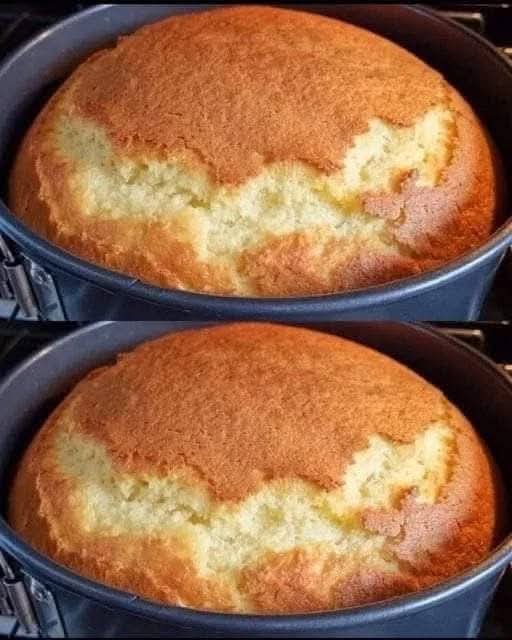
Grandma’s Homemade Diabetic-Friendly Sponge Cake
Introduction
Some recipes are more than something to eat. They are little pieces of family history, passed from one generation to another and remembered long after the meal is finished. This homemade sponge cake is one of those treasured old-fashioned recipes.
My grandmother taught me how to make this simple cake, and over the years it became a familiar favorite in our family. It is light, soft, tender, and pleasantly sweet without being overly rich. The recipe is practical enough for an ordinary afternoon and special enough to serve when family comes to visit.
For people who are watching their sugar intake, the recipe can be prepared with a suitable sugar substitute and controlled portions. However, calling a cake “diabetic” does not automatically make it appropriate for everyone with diabetes. The total carbohydrate content and serving size still matter, so individual dietary needs should always be considered.
Ingredients
For the Sponge Cake
4 large eggs, separated
1/2 cup granulated sugar substitute suitable for baking
1 teaspoon vanilla extract
3/4 cup all-purpose flour
1 teaspoon baking powder
1/4 teaspoon salt
2 tablespoons unsweetened milk or water
1 tablespoon melted butter or neutral oil
Optional Additions
1 teaspoon lemon zest
1/2 teaspoon cinnamon
A small amount of powdered sugar substitute for serving
Fresh strawberries or raspberries for garnish
Instructions
Preheat the oven to 350°F (175°C).
Grease an 8-inch round cake pan and line the bottom with parchment paper.
Separate the eggs carefully, placing the whites in one clean bowl and the yolks in another.
Beat the egg yolks with the sugar substitute until the mixture becomes lighter and creamy.
Add the vanilla extract and milk or water. Mix gently.
In a separate bowl, sift together the flour, baking powder, and salt.
Gradually add the dry ingredients to the egg-yolk mixture. Stir just until combined.
Add the melted butter or oil and mix gently.
Beat the egg whites until they form soft peaks.
Carefully fold the whipped egg whites into the batter in several additions. Do not overmix because the trapped air helps create the sponge’s light texture.
Pour the batter into the prepared pan and gently smooth the surface.
Bake for approximately 20–25 minutes, or until the top is lightly golden and a toothpick inserted into the center comes out clean.
Remove the cake from the oven and allow it to cool in the pan for about 10 minutes.
Carefully transfer it to a cooling rack and allow it to cool completely before slicing.
Method
The secret to a good sponge cake is the eggs. Unlike heavy cakes that depend on large amounts of butter or oil, a traditional sponge gets much of its delicate structure from beaten eggs.
The egg whites should be whipped until airy and then folded gently into the batter. This preserves the tiny air bubbles that expand during baking and give the cake its characteristic soft texture.
Another important point is not to overmix after adding the flour. Too much mixing can develop gluten and make the cake heavier instead of light and tender.
For a softer finish, the cake can be covered while cooling. Once completely cooled, it can be served plain or accompanied by a modest portion of fresh berries.
History of the Recipe
Sponge cakes have a long tradition in home baking because they can be made with relatively simple ingredients. Before modern cake mixes and sophisticated kitchen equipment became common, families relied on eggs, flour, sweeteners, and careful mixing techniques to create light cakes for celebrations and afternoon gatherings.
Recipes like this were often passed through handwritten family notebooks or taught directly from grandmother to daughter or grandchild. Measurements were sometimes remembered rather than written down, with phrases such as “until it looks right” or “bake until golden.”
That personal way of teaching is part of what makes old family recipes so special. The recipe may change slightly from one kitchen to another, but the memory associated with it remains.
Formation and Texture
The cake begins with a delicate batter created from whipped eggs and flour. During baking, the air incorporated into the egg whites expands, helping the cake rise.
The finished sponge should have:
A light and tender crumb
A gently golden surface
A soft but structured texture
A mild sweetness
A pleasant vanilla aroma
If the cake becomes dense, the most common causes are overmixing the batter or allowing the whipped egg whites to lose too much air.
Serving Ideas
This cake is delicious on its own, but there are several simple ways to serve it.
For a classic presentation, cut the cooled sponge into neat slices and serve it with fresh berries.
For a family dessert, layer two thin slices with unsweetened or lightly sweetened whipped cream and sliced strawberries.
For an afternoon snack, simply serve a small slice with tea or coffee.
If you are preparing the cake for someone managing diabetes, keep the serving size modest and consider the carbohydrate contribution of any toppings or fillings as well.
Tips for Success
Use room-temperature eggs when possible. They generally whip more easily and produce better volume.
Make sure the bowl used for whipping the egg whites is clean and completely free of grease.
Fold the egg whites gently rather than stirring vigorously.
Do not open the oven repeatedly during the first part of baking because a sudden temperature change can cause the sponge to collapse.
Allow the cake to cool completely before cutting it. A warm sponge is fragile and can easily tear.
Conclusion
Grandmother’s homemade sponge cake is a wonderful example of how simple ingredients can create something memorable. Its light texture, gentle sweetness, and straightforward preparation make it suitable for an everyday family dessert.
What makes this recipe particularly special is not only the cake itself, but the tradition behind it. Recipes taught by grandparents carry memories of kitchens, family gatherings, afternoon conversations, and the feeling of being welcomed around the table.
For those following a diabetes-conscious eating plan, using a baking-appropriate sugar substitute and paying attention to portion size can help make the recipe fit into an individualized meal plan. The cake should still be considered a carbohydrate-containing dessert rather than a completely sugar-free or carbohydrate-free food.
For Sponge Cake Lovers
If you love old-fashioned homemade cakes, this sponge is worth keeping in your family recipe collection. It is simple enough for beginners, adaptable enough for different occasions, and nostalgic enough to remind you of the recipes prepared by previous generations.
Sometimes the best recipes are not the complicated ones. They are the recipes that were made again and again because everyone in the family loved them.