
Introduction
Are you still boiling your potatoes in plain water? If so, prepare for a culinary revelation that will transform your mashed potatoes from merely good to absolutely extraordinary. We’re talking about a simple, yet utterly game-changing swap that infuses your mash with incredible depth of flavor right from the very start. Forget bland, watery potatoes; this technique is the secret weapon for achieving that rich, creamy, and undeniably delicious mashed potato perfection you’ve always dreamed of.
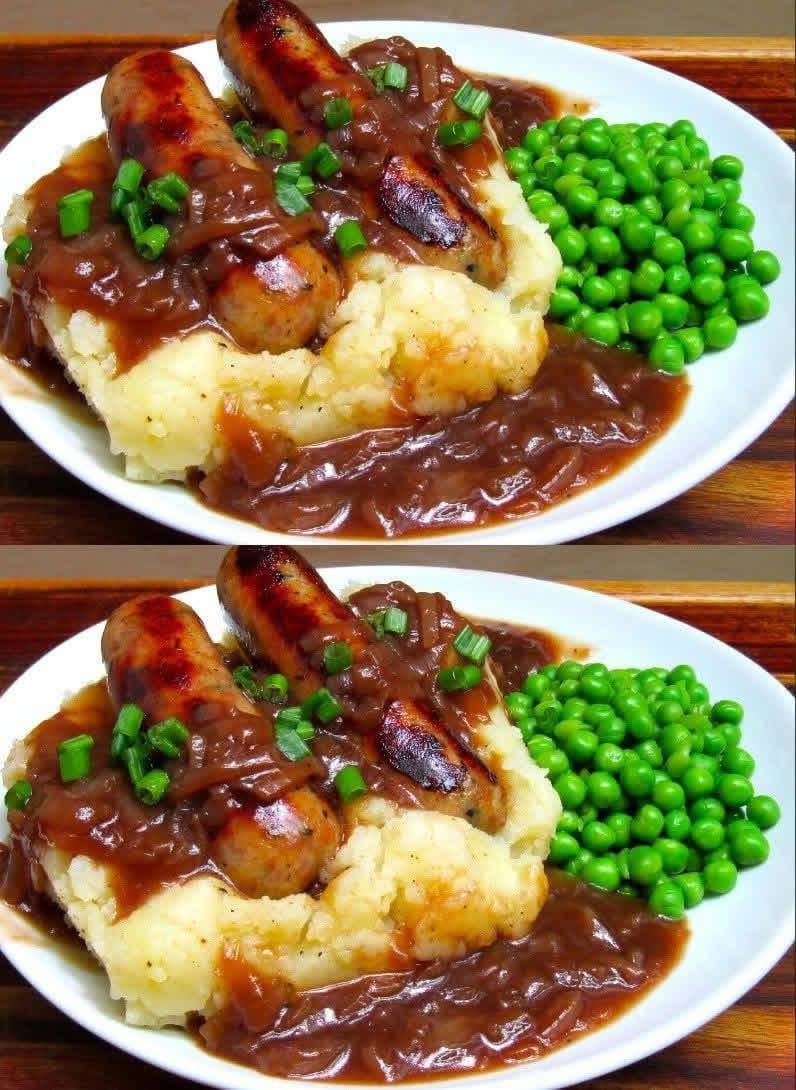
This culinary epiphany is perfectly showcased in a classic dish like Bangers and Mash, a beloved British staple that marries robust sausages with fluffy, flavorful mashed potatoes, all smothered in a rich onion gravy. Our featured image beautifully captures this comforting meal, complete with perfectly browned sausages, a generous mound of luscious mash, and a glistening, savory gravy. While each component is crucial, the mashed potatoes often play a supporting role. However, by changing how we cook them, we elevate them to star status, ensuring every bite of this hearty dish is bursting with flavor and comforting warmth.
The secret, as you’ll soon discover, lies in swapping out that plain old water for a more flavorful liquid. This isn’t just about adding more ingredients at the end; it’s about building a foundational layer of taste directly into the potatoes as they cook. This seemingly small adjustment has a massive impact, resulting in mashed potatoes that are not only creamier in texture but also inherently more delicious, making your Bangers and Mash experience truly unforgettable. Get ready to banish blandness forever and embrace a new era of mashed potato mastery!
Nutritional Information
Per serving (approximate values):
Calories: 680
Protein: 35g
Carbohydrates: 60g
Fat: 35g
Fiber: 8g
Sodium: 1200mg
Ingredients
2 lbs Russet or Yukon Gold potatoes, peeled and cut into 1-inch cubes
4 cups chicken or vegetable broth (or a combination of broth and milk/cream)
1/2 cup whole milk or half-and-half, warmed
1/2 cup unsalted butter, softened
1 teaspoon salt, plus more to taste
1/2 teaspoon freshly ground black pepper, plus more to taste
4-6 good quality pork or beef sausages (about 1.5 lbs total)
2 tablespoons olive oil
2 large yellow onions, thinly sliced
2 tablespoons unsalted butter
2 tablespoons all-purpose flour
2 cups beef broth
1 tablespoon Worcestershire sauce
1 teaspoon balsamic vinegar
1/2 teaspoon fresh thyme leaves (optional)
1 cup frozen peas
2 tablespoons chopped fresh chives or green onions, for garnish
Instructions
Prepare the Potatoes: Peel the potatoes and cut them into even 1-inch cubes. Rinse them under cold water to remove excess starch.
Cook the Potatoes in Flavorful Liquid: Place the cubed potatoes in a large pot. Pour in the chicken or vegetable broth until the potatoes are just covered. If needed, add a splash of water to ensure they are fully submerged. Add 1 teaspoon of salt to the liquid.
Simmer and Cook: Bring the liquid to a boil over medium-high heat, then reduce the heat to a gentle simmer. Cook uncovered for 15-20 minutes, or until the potatoes are fork-tender and easily pierced.
Drain (Partially): Carefully drain the potatoes, reserving about 1/4 cup of the cooking liquid. Return the drained potatoes to the empty pot.
Mash the Potatoes: Add the softened butter, warmed milk or half-and-half, and the reserved cooking liquid to the potatoes. Using a potato masher or a ricer, mash the potatoes until smooth and creamy. Be careful not to over-mash, as this can make them gummy.
Season the Mash: Season the mashed potatoes with salt and freshly ground black pepper to taste. Stir well to combine. Cover the pot to keep them warm while you prepare the rest of the meal.
Cook the Sausages: Heat 2 tablespoons of olive oil in a large skillet over medium heat. Add the sausages and cook for 15-20 minutes, turning occasionally, until they are golden brown on all sides and cooked through. Remove the sausages from the skillet and set aside.
Prepare the Onion Gravy: In the same skillet (don’t clean it, those browned bits are flavor!), add 2 tablespoons of unsalted butter. Once melted, add the thinly sliced onions. Cook over medium-low heat, stirring occasionally, for 15-20 minutes, or until the onions are deeply caramelized and tender. This slow cooking is key to a rich gravy.
Make the Roux: Sprinkle 2 tablespoons of all-purpose flour over the caramelized onions. Stir constantly for 1-2 minutes to cook out the raw flour taste, creating a roux.
Deglaze and Thicken: Gradually whisk in the 2 cups of beef broth, scraping up any browned bits from the bottom of the skillet. Bring the gravy to a simmer, then stir in the Worcestershire sauce, balsamic vinegar, and fresh thyme (if using). Continue to simmer for 5-7 minutes, or until the gravy has thickened to your desired consistency. Season with salt and pepper to taste.
Cook the Peas: While the gravy is simmering, steam or boil the frozen peas according to package directions, usually 3-5 minutes, until tender and bright green. Drain well.
Assemble and Serve: To serve, create a generous mound of the flavor-infused mashed potatoes on each plate. Nestle 1-2 cooked sausages alongside the mash. Spoon a generous amount of the rich onion gravy over the sausages and potatoes. Garnish with the cooked peas and a sprinkle of fresh chopped chives or green onions. Serve immediately.
Cooking Tips and Variations
For the best mashed potatoes, always opt for starchy potato varieties like Russets or Yukon Golds. Their higher starch content breaks down beautifully, creating a fluffy and creamy texture when mashed. Ensure you cut your potatoes into even-sized pieces before cooking. This guarantees that all pieces cook at the same rate, preventing some from being undercooked while others turn mushy. Don’t be shy with seasoning; salt the cooking liquid, and always taste and adjust the seasoning of your mashed potatoes at the end. Over-mashing is the enemy of good mashed potatoes; it can activate too much starch and lead to a gummy, unpleasant texture. A potato ricer is ideal for fluffy mash, but a simple hand masher works great too – just stop when smooth.
To deepen the flavor of your onion gravy, consider deglazing the pan after cooking the sausages. Those browned bits stuck to the bottom of the skillet (known as fond) are pure flavor gold. Add a splash of broth or wine to the hot pan and scrape them up before adding the onions. For the sausages, always cook them thoroughly until they are nicely browned and firm to the touch, indicating they are cooked through. A meat thermometer should read 160°F (71°C) for pork. When cooking peas, aim for vibrant green and tender-crisp; overcooking them will make them dull in color and mushy in texture. For a vegetarian option, use plant-based sausages and vegetable broth for both the potatoes and gravy.
Experiment with different flavorful liquids for your mashed potatoes: try all milk for a super creamy result, a blend of chicken broth and cream for richness, or even a dash of white wine with broth for an elegant touch. Infuse your mash further by cooking whole garlic cloves with the potatoes, or stir in roasted garlic paste at the end. For an herby twist, add fresh rosemary or thyme sprigs to the cooking liquid, or fold in finely chopped fresh herbs like chives or parsley with the butter and milk. A pinch of nutmeg can also add a wonderfully subtle warmth to mashed potatoes.
Storage and Reheating
To store leftover Bangers and Mash, allow all components to cool completely before transferring them to airtight containers. Store the mashed potatoes, sausages, and gravy separately if possible, or together in a single container if preferred. Leftovers can be stored in the refrigerator for up to 3-4 days. For longer storage, mashed potatoes and gravy can be frozen for up to 2-3 months. Sausages can also be frozen, though their texture might change slightly upon reheating.
When reheating, it’s best to warm the components separately. For mashed potatoes, reheat gently on the stovetop over low heat, stirring frequently, adding a splash of milk or cream to restore their creaminess. You can also microwave them in short bursts, stirring in between. Reheat sausages in a skillet over medium heat until warmed through and slightly crisped, or in the oven at 350°F (175°C) for 10-15 minutes. Reheat gravy in a saucepan over medium-low heat, stirring until hot and bubbly. If it’s too thick, add a little more broth or water to reach your desired consistency. Avoid overheating any component to maintain flavor and texture.
Frequently Asked Questions
Why is boiling potatoes in flavorful liquid better than water?
Boiling potatoes in plain water can leach out some of their natural flavor and leave them tasting bland. When you use a flavorful liquid like broth, milk, or a combination, the potatoes absorb that flavor as they cook. This infuses them with a richness and depth right from the start, resulting in mashed potatoes that are inherently more delicious and don’t rely solely on butter and cream added at the end for taste.
Can I make this dish vegetarian or vegan?
Absolutely! To make it vegetarian, simply swap the pork sausages for your favorite plant-based sausages. For the gravy, use vegetable broth instead of beef broth. To make it vegan, in addition to the above, replace the butter in the mashed potatoes and gravy with a good quality plant-based butter, and use plant-based milk or cream for the mash. Ensure your Worcestershire sauce is also vegan (some contain anchovies).
What’s the best way to get really creamy mashed potatoes without making them gummy?
The key to creamy, non-gummy mashed potatoes is using the right potato variety (Russet or Yukon Gold), cooking them until truly fork-tender, and mashing them correctly. A potato ricer is excellent for achieving a smooth, fluffy texture without overworking the starch. If using a hand masher, mash just enough until the lumps are gone and the potatoes are smooth, then stop. Adding warm milk/cream and softened butter also helps create that luxurious creaminess without requiring excessive mashing.
Can I prepare any part of this dish in advance?
Yes, you can definitely prepare some components ahead of time. The onion gravy can be made a day or two in advance and stored in the refrigerator, then gently reheated. The sausages can be cooked ahead and refrigerated, then reheated just before serving. While mashed potatoes are best served fresh, you can prepare them a few hours in advance and keep them warm in a slow cooker on a “warm” setting with a splash of milk, or reheat them gently on the stovetop with a bit more liquid.