
Collagen is one of the most important proteins in the human body. It helps provide structure and strength to the skin, bones, joints, tendons, and connective tissues. As we get older, natural collagen production gradually changes, which is why collagen has become such a popular topic in skincare and nutrition.
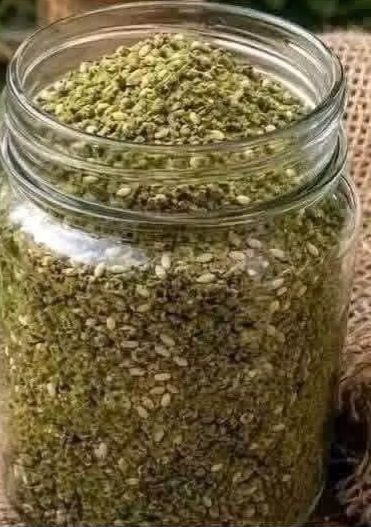
You may have seen social media posts claiming that taking one tablespoon of a particular seed or green powder every day for several months can make someone look dramatically younger. While these claims can be appealing, it is important to separate nutritional benefits from exaggerated promises. Plant-based seeds and powders do not contain human collagen, because collagen is an animal-derived structural protein. However, some foods can provide nutrients that the body uses to support normal collagen production.
What Is Collagen?
Collagen is a protein made naturally by the body. It is particularly abundant in connective tissues and plays an important role in maintaining the structure of the skin. The body produces collagen by using amino acids along with several vitamins and minerals.
Vitamin C, for example, is essential for normal collagen formation. This means that eating a balanced diet containing vitamin C and other nutrients can contribute to healthy skin and connective tissue.
Instead of looking for one “miracle” ingredient, it is more useful to focus on an overall nutrient-rich diet.
Can Seeds Support Collagen Production?
Many seeds are nutritious additions to a balanced diet. Depending on the type, seeds can provide protein, healthy fats, minerals, fiber, and antioxidant compounds.
For example, pumpkin seeds, sunflower seeds, chia seeds, flaxseeds, and hemp seeds can all contribute useful nutrients to meals. Their nutritional profiles differ, but they can be included as part of a varied diet.
However, eating a tablespoon of seeds every day should not be presented as a guaranteed way to erase wrinkles or make your age impossible to guess. There is no single food that can stop the natural aging process.
Why Protein Matters for Collagen
Because collagen is a protein, adequate protein intake is important for providing the amino acids needed to build and maintain body proteins.
Good protein sources include eggs, fish, poultry, dairy products, beans, lentils, nuts, seeds, and other protein-rich foods. Combining different sources throughout the day can help provide a variety of essential nutrients.
For people following a plant-based diet, legumes, soy foods, nuts, seeds, and whole grains can be valuable components of a balanced eating pattern.
Vitamin C and Healthy Skin
Vitamin C deserves special attention because it plays an essential role in normal collagen synthesis. Fortunately, it is found in many common fruits and vegetables.
Oranges, strawberries, kiwi, peppers, broccoli, tomatoes, and other colorful produce can help increase vitamin C intake. Including several servings of fruits and vegetables throughout the day is generally more beneficial than relying on one specific ingredient.
A simple meal could combine a protein source with vegetables, whole grains, and a serving of fruit. This provides a broader range of nutrients that support overall health.
A Simple Way to Use Seeds
If you enjoy seeds, adding a small amount to everyday meals can be an easy nutritional habit. Sprinkle them over yogurt, oatmeal, salads, soups, or smoothies. They can also be incorporated into homemade energy bites or whole-grain recipes.
There is no need to consume excessive quantities. Seeds can be relatively energy-dense, so portion size should fit into your overall eating pattern.
If you are using a powdered or ground seed mixture, check the ingredient list carefully. Products that contain several ingredients may have different nutritional properties and potential allergens.
What About Wrinkles?
Wrinkles are a normal part of aging and can be influenced by genetics, sun exposure, environmental factors, and changes in the skin over time. Nutrition can contribute to overall skin health, but no food can guarantee wrinkle removal.
Protecting the skin from excessive ultraviolet exposure is also important. A balanced diet, adequate sleep, regular physical activity, hydration, and appropriate skincare can all contribute to general well-being.
The Bottom Line
The idea of eating one tablespoon of a particular ingredient every day and suddenly looking much younger is attractive, but it is an oversimplification. There is no single seed, powder, or food that can guarantee a youthful appearance or replace the body’s natural collagen production.
Instead, think of collagen support as part of a bigger picture. Eat enough protein, include vitamin-C-rich fruits and vegetables, enjoy nutritious seeds in reasonable portions, and maintain a varied, balanced diet.
Seeds can certainly be a convenient source of useful nutrients, but their real value comes from being part of a healthy eating pattern—not from a promise of instant anti-aging results.