
Introduction
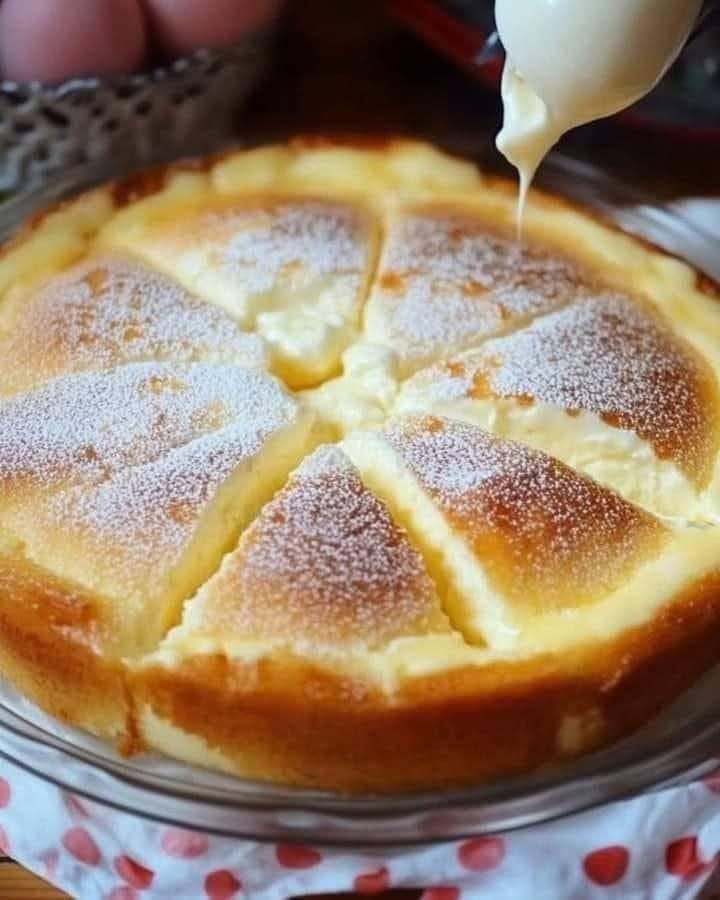
There’s something undeniably comforting and utterly irresistible about a cream-filled cake. It’s the kind of dessert that evokes warmth, nostalgia, and pure indulgence with every bite. Imagine a cake that’s not just soft and tender, but also harbors a secret, luscious core of creamy delight. This particular rendition, a beautifully baked creation, perfectly embodies that dream. It’s a harmonious marriage of a light, golden-brown cake exterior and a smooth, rich, almost custardy filling that melts in your mouth, leaving a symphony of sweet, delicate flavors on your palate. It’s a dessert that transcends seasons and occasions, equally at home as a comforting treat on a chilly evening, a delightful centerpiece for a brunch spread, or a sophisticated finish to a special dinner.
What truly sets this cream-filled cake apart is the exquisite balance of textures and flavors. The cake itself boasts a tender, slightly golden crumb, providing the perfect counterpoint to the star of the show: its decadent, creamy filling. This isn’t just any filling; it’s a velvety smooth concoction, likely cheese-based or a rich custard, that bakes directly into the cake, creating a beautiful integration rather than separate layers. The subtle sweetness is perfectly balanced, often enhanced by hints of vanilla, and the entire creation is elegantly finished with a delicate dusting of powdered sugar, adding a touch of visual grace and an extra whisper of sweetness. Its appealing appearance, with visible creamy sections peeking through the golden crust, promises a truly satisfying experience before the first forkful even touches your lips.
This recipe aims to guide you in recreating this delightful masterpiece in your own kitchen. While it presents an impressive facade, the process is surprisingly approachable, allowing even novice bakers to achieve a professional-looking and tasting result. Whether you’re a seasoned baker or just starting your culinary journey, the joy of crafting this decadent cream-filled cake is immeasurable. Prepare to fill your home with the sweet aroma of baking and delight your loved ones with a dessert that will undoubtedly earn you rave reviews and requests for seconds.
Nutritional Information
Per serving (approximate values, based on 12 servings):
Calories: 380-420 kcal
Protein: 8-10g
Carbohydrates: 45-50g
Fat: 20-25g
Fiber: 1-2g
Sodium: 250-300mg
Ingredients
1 ½ cups (190g) all-purpose flour, plus extra for dusting
1 teaspoon baking powder
½ teaspoon baking soda
¼ teaspoon salt
½ cup (113g) unsalted butter, softened
1 cup (200g) granulated sugar
2 large eggs, room temperature
1 teaspoon vanilla extract
1 cup (240ml) buttermilk, room temperature
16 ounces (450g) full-fat cream cheese, softened
½ cup (100g) granulated sugar (for filling)
1 large egg, room temperature (for filling)
1 teaspoon vanilla extract (for filling)
2 tablespoons cornstarch
Powdered sugar, for dusting
Instructions
Preheat your oven to 350°F (175°C). Grease and flour a 9-inch springform pan. Line the bottom with parchment paper for easier removal, if desired.
In a medium bowl, whisk together the all-purpose flour, baking powder, baking soda, and salt. Set aside.
In a large bowl, using an electric mixer, cream together the softened butter and 1 cup of granulated sugar until light and fluffy, about 2-3 minutes.
Beat in the 2 large eggs one at a time, mixing well after each addition. Stir in 1 teaspoon of vanilla extract.
Gradually add the dry ingredients to the wet ingredients, alternating with the buttermilk, beginning and ending with the dry ingredients. Mix until just combined; be careful not to overmix. The batter will be thick.
In a separate medium bowl, prepare the cream cheese filling. Beat the softened cream cheese with ½ cup of granulated sugar until smooth and creamy, about 2 minutes.
Beat in the remaining 1 large egg and 1 teaspoon of vanilla extract until fully incorporated.
Add the cornstarch to the cream cheese mixture and beat until thoroughly combined and no lumps remain. The filling should be smooth and thick.
Pour about two-thirds of the cake batter into the prepared springform pan, spreading it evenly across the bottom.
Carefully spoon dollops of the cream cheese filling over the cake batter. You can leave some gaps, as the batter will rise around the filling. Alternatively, you can create a swirl pattern with a knife, but do not mix completely.
Drop the remaining cake batter in spoonfuls over the cream cheese filling, trying to cover as much of the filling as possible without fully blending. The goal is to have pockets of cream cheese filling within the cake.
Bake for 50-60 minutes, or until the cake is golden brown on top and a wooden skewer inserted into the cake portion (avoiding the cream cheese filling) comes out clean. The cream cheese filling should be set but still have a slight jiggle in the center.
Once baked, remove the cake from the oven and place it on a wire rack to cool in the pan for at least 20-30 minutes. This gradual cooling helps prevent cracking.
After cooling slightly, carefully run a thin knife around the edge of the springform pan before releasing the sides. Allow the cake to cool completely on the wire rack before dusting with powdered sugar.
Just before serving, generously dust the cooled cake with powdered sugar using a fine-mesh sieve.
Cooking Tips and Variations
For the most tender cake and smoothest filling, ensure all cold ingredients like butter, eggs, and buttermilk (for the cake) and cream cheese and egg (for the filling) are at room temperature before you begin. This allows them to emulsify better and mix more smoothly, resulting in a superior texture.
When mixing the cake batter, be mindful not to overmix. Overmixing can develop the gluten in the flour too much, leading to a tough, dry cake. Mix until the ingredients are just combined and no streaks of flour remain.
To prevent cracks in the cream cheese filling, especially if you live in a dry climate, you can place a shallow pan of water on the bottom rack of your oven while the cake bakes. The steam will help keep the top of the cake moist and prevent rapid drying, which often causes cracks. Also, allowing the cake to cool gradually in the pan on a wire rack, rather than removing it immediately, helps to prevent thermal shock and cracking.
Enhance the flavor profile by adding the zest of one lemon or orange to either the cake batter or the cream cheese filling. A teaspoon of almond extract can also be a delightful addition to the filling, offering a subtle nutty note. For a richer, more decadent filling, you can substitute half of the cream cheese with mascarpone cheese.
For a beautiful presentation, try drizzling the cooled cake with a homemade berry compote, a light caramel sauce, or even a simple chocolate ganache before dusting with powdered sugar. Fresh berries like raspberries or blueberries also make an excellent garnish, adding a burst of color and freshness.
If you prefer a more defined “swirl” or “marbled” look, after spooning the cream cheese filling over the batter, use a knife or skewer to gently swirl the filling into the batter a few times before adding the remaining cake batter. Be careful not to over-swirl, or the distinct layers will disappear.
Storage and Reheating
To store your cream-filled cake, cover it loosely with plastic wrap or aluminum foil and refrigerate. Due to the cream cheese filling, it must be kept refrigerated. It will stay fresh for up to 3-4 days. For longer storage, you can freeze individual slices or the whole cake (well-wrapped) for up to 1 month. Thaw in the refrigerator overnight.
While this cake is best enjoyed at room temperature, it does not require reheating. Simply take it out of the refrigerator about 30-60 minutes before serving to allow it to come to room temperature, which enhances its flavors and softens the texture of the cake and filling. If you prefer a slightly warm slice, you can gently warm individual portions in the microwave for 10-15 seconds, but be careful not to overheat, as this can make the cream cheese filling too runny.
Frequently Asked Questions
Can I use low-fat cream cheese for the filling?
While you can use low-fat cream cheese, it is highly recommended to use full-fat cream cheese for the best results. Full-fat cream cheese provides the richest flavor and the creamiest, most stable texture for the filling. Low-fat versions may result in a thinner, less luxurious filling that is more prone to cracking.
My cake cracked on top, what went wrong?
Cracking is a common issue with cakes that have a creamy, custard-like filling, often due to rapid cooling or overbaking. Ensure you don’t overbake the cake; it should still have a slight jiggle in the center when removed from the oven. Also, allow the cake to cool gradually in the pan on a wire rack for at least 20-30 minutes before attempting to release it. Cooling too quickly can cause the surface to contract and crack. A water bath during baking can also help prevent cracking by providing a moist environment.
Can I make this cake ahead of time?
Yes, this cream-filled cake is an excellent make-ahead dessert! It actually tastes even better the next day as the flavors have more time to meld and develop. Bake the cake, allow it to cool completely, then refrigerate it overnight. Dust with powdered sugar just before serving for the freshest look.
What kind of pan is best for this cake?
A 9-inch springform pan is highly recommended for this recipe. The removable sides make it incredibly easy to release the cake without damaging its delicate structure or the beautiful cream cheese filling. If you don’t have a springform pan, a regular 9-inch round cake pan can be used, but be sure to grease and flour it very thoroughly and line the bottom with parchment paper, leaving an overhang to help lift the cake out once cooled.