
Introduction
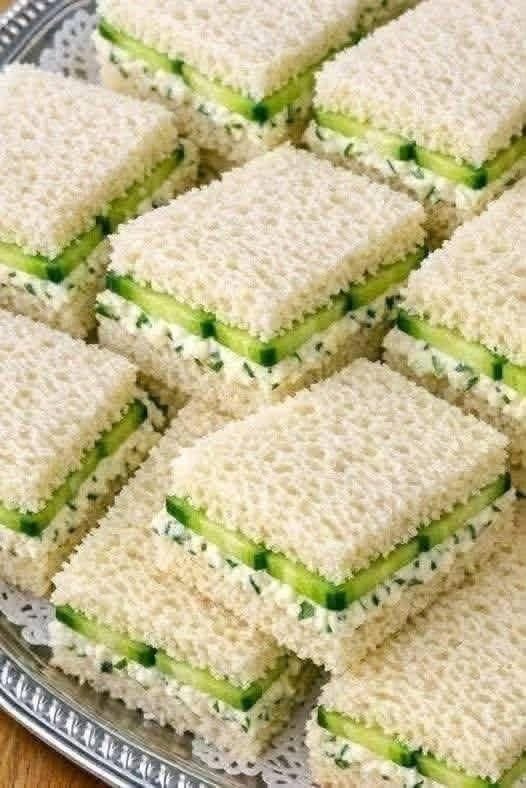
Step into a world of refined simplicity with the classic 4-Ingredient Cucumber Tea Sandwich. These delicate bites are more than just food; they are an experience, a whisper of elegance from bygone eras, and a testament to the power of fresh, quality ingredients. Perfect for afternoon tea, garden parties, bridal showers, or simply a light, refreshing snack, these sandwiches embody understated sophistication. Their enduring popularity lies in their effortless charm and the delightful contrast of crisp cucumber against creamy spread and soft bread.
The beauty of the cucumber tea sandwich lies in its humble origins and its journey to becoming a beloved staple of British tea culture. Originally conceived as a way to enjoy fresh garden produce, these sandwiches quickly became synonymous with gentility and leisure. What makes this particular recipe truly special is its incredible simplicity – just four core ingredients come together to create a symphony of fresh, clean flavors. It’s a recipe that proves you don’t need a complex ingredient list to achieve culinary perfection, making it accessible to even the most novice home cooks.
This recipe isn’t just easy; it’s a refreshing escape. In a world often filled with heavy, complicated dishes, the cucumber tea sandwich offers a palate cleanser, a moment of lightness and pure, unadulterated taste. The cool, crisp cucumber provides a delightful crunch, while the creamy spread offers a rich counterpoint, all nestled between slices of tender bread. It’s a versatile treat that can be whipped up in minutes, making it an ideal choice for last-minute entertaining or a delightful personal indulgence. Get ready to master this timeless classic and impress your guests (or yourself!) with its effortless charm.
Nutritional Information
Per serving (approximate values for 2 small sandwiches):
Calories: 120
Protein: 4g
Carbohydrates: 15g
Fat: 5g
Fiber: 1g
Sodium: 200mg
Ingredients
8 slices fresh white sandwich bread, very soft, crusts removed
1 medium English cucumber (or 2 small regular cucumbers), about 8-10 inches long
4 tablespoons unsalted butter, softened, or cream cheese, softened
1/4 teaspoon fine sea salt (for cucumber)
Pinch of black pepper (optional, for spread)
1 tablespoon finely chopped fresh dill or chives (optional, for spread)
Instructions
Prepare the Cucumber: Wash the cucumber thoroughly. Using a mandoline slicer or a very sharp knife, slice the cucumber into paper-thin rounds, about 1/16-inch thick. Place the cucumber slices in a single layer on a few sheets of paper towels. Sprinkle evenly with 1/4 teaspoon of fine sea salt. Let them sit for 10-15 minutes; this draws out excess moisture, preventing your sandwiches from becoming soggy.
Drain the Cucumber: After 10-15 minutes, gently blot the cucumber slices dry with additional paper towels, pressing lightly to remove as much moisture as possible. This step is crucial for crisp, non-soggy sandwiches.
Prepare the Spread: In a small bowl, if using butter, ensure it is very soft but not melted. If using cream cheese, ensure it is softened to room temperature. For an optional flavor boost, stir in a pinch of black pepper and 1 tablespoon of finely chopped fresh dill or chives into your chosen spread. Mix until well combined.
Prepare the Bread: Lay out the 8 slices of white sandwich bread on a clean work surface. Using a sharp knife or kitchen shears, carefully trim off all the crusts from each slice of bread. This ensures a delicate texture and elegant presentation.
Spread the Bread: Evenly spread a thin layer of the softened butter or cream cheese mixture onto one side of each of the 8 bread slices, extending all the way to the edges. This acts as both a flavor enhancer and a barrier against moisture.
Assemble the Sandwiches: On four of the buttered/creamed bread slices, arrange the dried cucumber slices in a single, slightly overlapping layer. Ensure the cucumber covers the entire surface of the bread.
Top the Sandwiches: Carefully place the remaining four buttered/creamed bread slices on top of the cucumber layers, buttered/creamed side down. Gently press down on each sandwich to help the layers adhere.
Cut the Sandwiches: Using a very sharp, serrated knife, cut each assembled sandwich into desired shapes. For classic tea sandwiches, cut each square sandwich into four smaller squares, two rectangles, or two triangles. For the cleanest cuts, wipe your knife blade clean between each cut.
Serve Immediately or Store: Arrange the cucumber tea sandwiches neatly on a platter. Serve immediately for the freshest taste and crispest texture.
Cooking Tips and Variations
Achieving the perfect cucumber tea sandwich is all about paying attention to a few key details. The first and most critical tip is moisture management. Cucumbers are naturally high in water, which can quickly lead to soggy sandwiches. Always salt and drain your cucumber slices thoroughly, then pat them dry. This step, though seemingly small, makes a monumental difference in the texture and longevity of your sandwiches. For the thinnest, most uniform cucumber slices, a mandoline slicer is your best friend; otherwise, a very sharp chef’s knife and a steady hand will do.
When it comes to bread, freshness is paramount. Choose a high-quality, soft white sandwich bread. Avoid anything too dense or with a strong flavor that would overshadow the delicate cucumber. Trimming the crusts before assembly often results in cleaner edges, but you can also trim them after if you prefer. Ensure your butter or cream cheese is at room temperature for easy, even spreading right to the edges of the bread. This creates a seal that helps prevent the bread from absorbing cucumber moisture and keeps the sandwich together.
For variations, the creamy spread is where you can truly play. While plain butter or cream cheese is classic, don’t hesitate to infuse it with flavor. Beyond dill and chives, consider finely chopped fresh parsley, mint, or even a tiny pinch of lemon zest for brightness. A touch of garlic powder or onion powder can add a subtle savory kick. For a spicier twist, a tiny dash of cayenne pepper or a thin layer of a mild Dijon mustard could be added to the spread. You could also try different types of bread – whole wheat or rye can offer a heartier flavor, though they depart from the traditional white bread elegance.
To make these vegetarian sandwiches vegan, simply substitute the butter or cream cheese with a high-quality vegan cream cheese or vegan butter. Ensure your chosen spread has a neutral flavor that won’t overpower the cucumber. You can also experiment with adding other thin vegetables, such as radish slices for a peppery crunch, or a tiny sprig of watercress for a delicate peppery note, though this would technically take you beyond the four-ingredient rule. Remember, the goal is always balance and freshness.
Storage and Reheating
Cucumber tea sandwiches are best enjoyed fresh, ideally within an hour or two of assembly, to ensure the cucumber remains crisp and the bread doesn’t become soggy. However, if you need to prepare them a few hours in advance, proper storage is key to maintaining their delicate texture and preventing them from drying out or becoming waterlogged.
To store, arrange the finished sandwiches in a single layer on a plate or in an airtight container. The most important step is to cover them with a layer of damp (but not dripping wet) paper towels. This helps to keep the bread moist and prevents the cucumber from drying out. After covering with damp paper towels, tightly wrap the entire plate or container with plastic wrap, ensuring no air can get in. This double-layer protection is crucial. Store them in the refrigerator for no more than 3-4 hours. Any longer, and the cucumber will likely begin to release too much moisture, leading to sogginess.
Do not attempt to freeze cucumber tea sandwiches; the cucumber will become mushy and the bread will have an unpleasant texture upon thawing. Similarly, reheating is not recommended. These sandwiches are designed to be served chilled or at room temperature, and heating them would ruin their delicate structure and fresh flavor profile. If you’re planning a tea party, it’s always best to prepare the components (slice cucumber, make the spread, trim bread) ahead of time and assemble the sandwiches closer to serving. This ensures the freshest, most delightful experience for your guests.
Frequently Asked Questions
What kind of cucumber is best for tea sandwiches?
English cucumbers (also known as hothouse or seedless cucumbers) are ideal for tea sandwiches. They have thin skins, very few seeds, and a mild, sweet flavor. Their low water content compared to regular cucumbers also makes them less prone to causing soggy sandwiches. If using regular cucumbers, you might consider peeling them and de-seeding them before slicing to reduce bitterness and excess moisture.
How do I prevent my cucumber sandwiches from getting soggy?
Preventing sogginess is the most important tip for cucumber tea sandwiches. The key steps are: 1) Slice cucumbers very thinly. 2) Salt the cucumber slices and let them sit for 10-15 minutes to draw out excess water. 3) Thoroughly pat the salted cucumber slices dry with paper towels before assembling. 4) Spread butter or cream cheese all the way to the edges of the bread; this acts as a barrier to moisture. 5) Assemble and serve as close to eating time as possible.
Can I make these sandwiches ahead of time?
While best served fresh, you can make cucumber tea sandwiches a few hours in advance. To do so, follow the storage instructions carefully: arrange them on a platter, cover with damp paper towels, then tightly wrap with plastic wrap, and refrigerate for no more than 3-4 hours. For longer preparation, it’s best to prepare the ingredients separately (slice and drain cucumbers, mix the spread, trim bread) and assemble them just before serving.
What are some other common fillings for tea sandwiches?
Beyond cucumber, popular tea sandwich fillings include egg salad, chicken salad (often with celery and herbs), smoked salmon with cream cheese and dill, cream cheese with chives, watercress with cream cheese, and ham with mustard. The common theme is finely chopped or thinly sliced ingredients, delicate flavors, and a smooth, spreadable consistency.