
Introduction
Gardening doesn’t have to be time-consuming or complicated. With the right flowers, you can enjoy a beautiful, vibrant garden that flourishes with minimal care. Low-maintenance flowers are hardy, resilient, and dependable—perfect for busy families, beginners, or anyone who wants color and charm without constant upkeep.
Origin and Cultural Significance
For centuries, gardeners around the world have relied on hardy, self-sufficient flowers to bring life to their landscapes. In cottage gardens of Europe, drought-tolerant perennials thrived with little human intervention. In America’s rural South and Midwest, heat-loving blooms became staples for their reliability. Today, low-maintenance flowers symbolize ease, simplicity, and nature’s ability to thrive with little help—making them beloved in modern, sustainable gardening practices.
Low-Maintenance Flowers (Ingredients Quantity Style)
(Instead of ingredients, this section lists the recommended flowers as “quantities”—keeping your preferred recipe-style format.)
Marigolds – 1 garden bed
Zinnias – 1 sunny patch
Black-Eyed Susans (Rudbeckia) – 3–5 clusters
Coneflowers (Echinacea) – 2–3 plants
Hostas – 2 shade areas
Lavender – 1–2 borders
Daylilies – 4–6 bulbs
Sedum (Stonecrop) – 1 rock garden
Geraniums – 2 pots or beds
Shasta Daisies – 3 plantings
Optional Additions
Butterfly Bush – attracts pollinators with no fuss
Coreopsis – spreads easily and blooms all summer
Salvia – great for dry climates
Yarrow – nearly indestructible
Blanket Flower (Gaillardia) – thrives in poor soil
Russian Sage – tall and airy with intense color
Tips for Success
Choose native varieties for your region to reduce maintenance.
Plant in well-draining soil to prevent rot and pests.
Use mulch to retain moisture and suppress weeds.
Water deeply but infrequently—encourages strong root systems.
Deadhead blooms to extend flowering, though many of these plants rebloom naturally.
Group plants with similar sun and water needs for easier care.
Instructions (Gardening Method)
Prepare the soil by loosening it 6–8 inches deep and mixing in compost if needed.
Choose the right locations—most low-maintenance flowers love full sun.
Plant flowers according to spacing instructions (usually 12–24 inches apart).
Water thoroughly the first week to establish roots.
Apply mulch around plants to reduce weeding and retain moisture.
Let them grow—these varieties need minimal attention after establishment.
Trim back perennials at the end of the season to encourage new growth next year.
Description
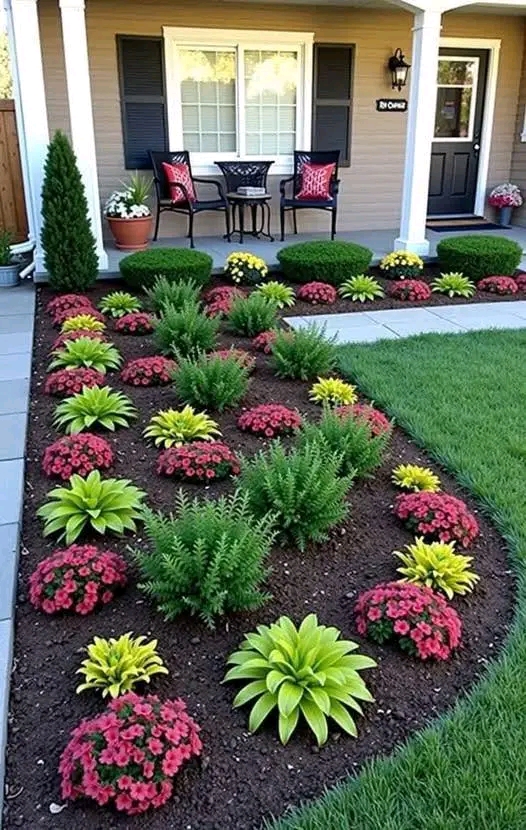
A garden filled with low-maintenance flowers is vibrant, colorful, and effortless. These blooms are hardy enough to withstand heat, drought, or less-than-perfect soil. They spread easily, attract pollinators, and add charm—from bright marigolds and zinnias to billowy lavender and elegant coneflowers. Together, they create a landscape that stays beautiful with little more than sunshine and an occasional drink of water.
Nutritional Information (Metaphorical Garden Version)
Time Saved: High
Water Needs: Low to moderate
Sun Requirements: Mostly full sun
Bloom Duration: Long-lasting
Pollinator Support: Excellent
Skill Level: Beginner-friendly
Conclusion
Low-maintenance flowers allow any gardener—new or experienced—to enjoy a lush, colorful garden with minimal effort. By choosing hardy perennials and resilient annuals, you create a thriving outdoor space that brings joy all season long without constant work.
Recommendation
Start with a mix of sun-loving annuals (like zinnias) and dependable perennials (like coneflowers and daylilies). This combination ensures immediate color and long-term ease. Add mulch, water wisely, and let nature take over.
Embracing Healthful Indulgence
Just like choosing wholesome, simple meals, selecting low-maintenance flowers is an act of caring for yourself and your environment. These blooms encourage time outdoors, reduce stress, and bring peaceful beauty to your daily life—all without overwhelming your schedule. Consider it a gentle indulgence: a garden that nurtures you back.