
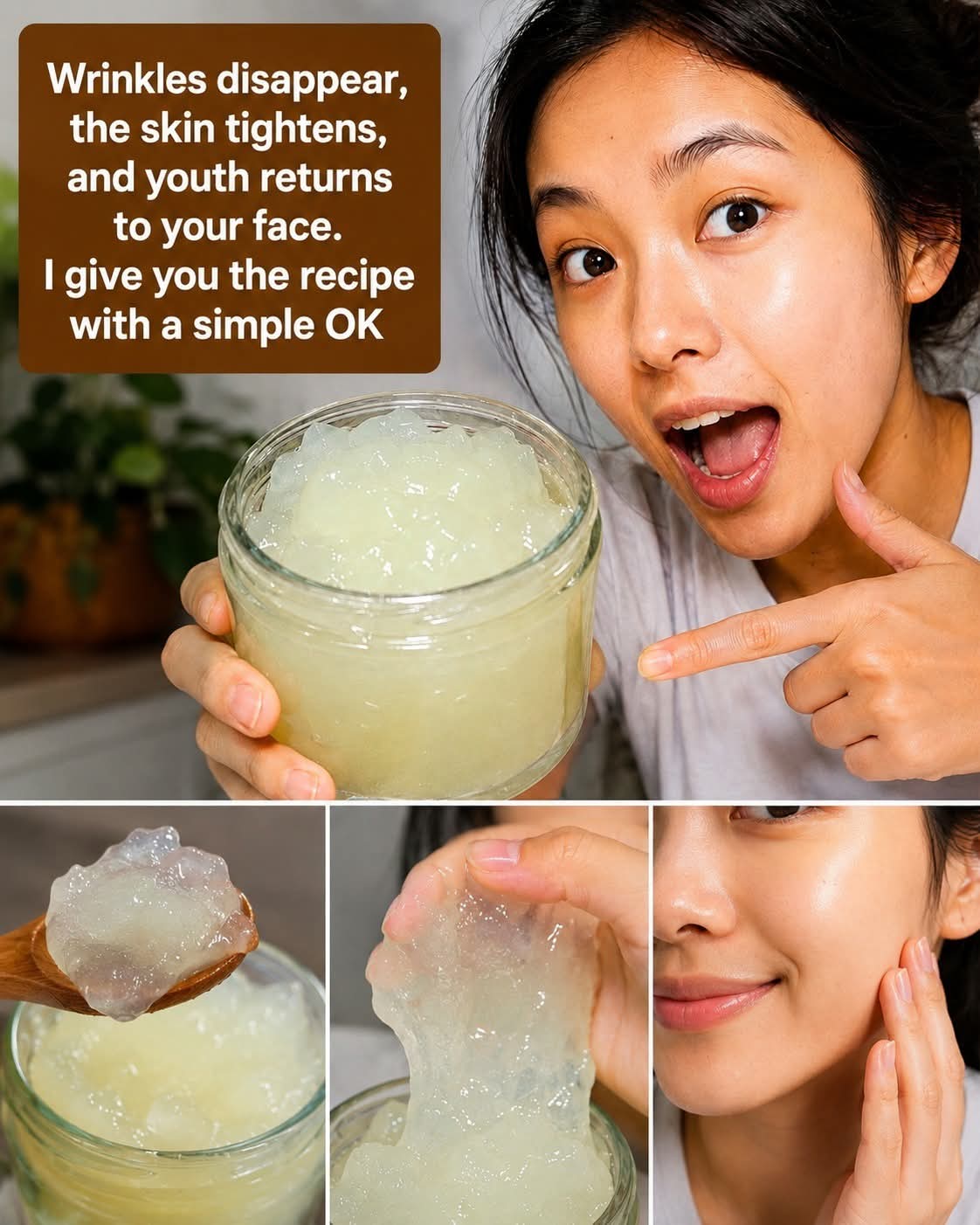
The skin around your mouth is the first place the face starts giving up. Those barcode lines above the lip, the little folds at the corners, the creased look that makes you seem tired even when you’re not — that’s where dehydration, motion, and thinning support hit hardest.
Coconut oil and aloe vera don’t “erase” wrinkles. They slam the brakes on the surface collapse. Coconut oil lays down a slick barrier that traps water. Aloe vera floods parched cells with moisture so the skin stops looking like cracked paper under a bright light.
That glossy film you feel on the skin is not decoration. It’s a seal over a wall that’s been splitting in the sun.
And that’s why this area betrays you first. You can moisturize your cheeks, baby your forehead, and still watch the mouth zone fold like cheap paper in the rain.
Why? Because the tissue around the lips is thinner, drier, and hammered by constant movement. Smiling, sipping, talking, pursing — it’s a nonstop flex test on skin that already has less cushion than the rest of your face.
That’s the part nobody warns you about. The face doesn’t age evenly. It starts where the skin is weakest, and the mouth is a soft target.
Then something stranger happens underneath the surface, and that’s where the real change begins…
The Cellular Moisture Lock
Think of the skin around your mouth like a leather glove left too long in the heat. It doesn’t just dry out — it stiffens, shrinks, and starts holding every crease like a permanent memory.
Coconut oil works like a raincoat for the skin. It slows moisture escape so the surface stops dehydrating every time you talk, eat, or laugh. Aloe vera works like a cold drink poured into scorched tissue, flooding tired, shriveled cells with vital moisture.
That’s the first layer. But the deeper story is about flexibility — the skin’s ability to spring back after being folded, pressed, and stretched all day.
When that flexibility drops, the mouth area stops bouncing back. It starts to sit in the face like wrinkled fabric that never gets fully smoothed out again.
The first thing people notice is not a miracle. It’s that the skin stops looking thirsty by noon. The surface catches light differently. The lines don’t look as sharp. The skin feels less papery under the fingertips.
And here’s the part that makes people mad: this isn’t happening because you’re doing something wrong. It’s happening because the skin around the mouth is getting stripped bare by daily use, sun, and dryness while the rest of the face gets all the attention.
Wall Street doesn’t build empires around a jar of coconut oil. Nobody puts a Super Bowl ad on a spoonful of aloe. That’s not because the basics don’t work — it’s because they don’t pay.
But your skin doesn’t care about marketing. It cares about whether water stays in, damage stays out, and every smile doesn’t carve the same line a little deeper.
The next shift shows up in three places first, and one of them surprises almost everyone…
Where the Face Starts to Look Fuller Again